Helping Kids with ADHD Develop Better Focus Without Constant Pressure
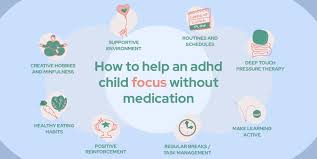
Why Pressure Often Backfires in ADHD
Many parents try to improve a child’s focus by repeating instructions, increasing supervision, or applying pressure. However, children with ADHD often respond negatively to constant pressure. Instead of improving attention, pressure can increase anxiety, frustration, and avoidance behavior.
ADHD is not a lack of effort—it is a difference in how the brain manages attention and self-regulation. Effective strategies focus on support, not stress.
Creating Natural Focus-Friendly Environments
Improving focus starts with the environment. Children with ADHD are easily distracted by noise, movement, and visual clutter.
Parents can improve focus by:
- Creating a quiet study area
- Removing unnecessary distractions
- Keeping materials organized
- Reducing background noise
- Limiting digital interruptions during tasks
A calm environment helps children focus without feeling forced.
Breaking Tasks Into Smaller Steps
Large tasks often feel overwhelming for ADHD children, which leads to procrastination or avoidance.
Instead of saying “do your homework,” break it into steps:
- Read one page
- Answer two questions
- Take a short break
- Continue with the next section
Smaller steps reduce mental pressure and increase completion rates.
Using Gentle Structure Instead of Strict Control
Structure is helpful, but strict control can create resistance. A balanced approach works best.
Helpful strategies include:
- Using timers instead of repeated reminders
- Offering choices (“Do you want to start with math or reading?”)
- Setting clear but flexible routines
- Allowing short movement breaks
This creates focus without emotional stress.
Encouraging Short Focus Sessions
Children with ADHD often focus better in short bursts rather than long sessions.
Instead of expecting 30–60 minutes of continuous work, try:
- 10–15 minute focus blocks
- Short breaks in between
- Gradually increasing focus time over weeks
This builds attention stamina slowly and naturally.
Reducing Emotional Pressure Around Tasks
When children feel pressured, their stress levels rise, which reduces focus even more.
Parents should avoid:
- Constant correcting
- Repeating instructions loudly
- Expressing frustration during tasks
Instead, use calm encouragement such as:
- “Take your time”
- “You can do one step at a time”
- “Let’s figure this out together”
A calm tone improves concentration significantly.
Teaching Self-Monitoring Skills
Children with ADHD benefit when they learn to recognize their own attention patterns.
Parents can ask simple questions:
- “Are you still focused?”
- “Do you need a short break?”
- “What’s your next step?”
This helps children develop awareness and independence in managing focus.
Using Motivation Instead of Pressure
Motivation is more effective than pressure in ADHD management.
Positive motivators include:
- Small rewards
- Praise for effort
- Fun learning methods
- Choice-based tasks
For example, turning homework into a game or offering short reward breaks can improve engagement naturally.
Encouraging Movement Breaks
Movement is essential for children with ADHD. Sitting still for long periods reduces focus and increases restlessness.
Short physical breaks can include:
- Stretching
- Walking
- Jumping jacks
- Quick outdoor activity
Movement helps reset attention and improves cognitive performance.
Professional Support When Needed
If focus challenges significantly impact school or daily life, professional guidance can help identify personalized strategies. ADHD specialists can provide structured behavioral plans and learning support.
Families seeking evaluation and support can consider services such as Seed Medical Hong Kong for professional ADHD assessment and guidance.
Conclusion
Helping children with ADHD improve focus does not require pressure or constant supervision. Instead, success comes from structure, patience, and supportive strategies. By creating calm environments, breaking tasks into steps, and encouraging self-awareness, parents can help children build natural focus skills that last a lifetime.


Post Comment